

How Do Youth Community Projects Benefit Local Communities?
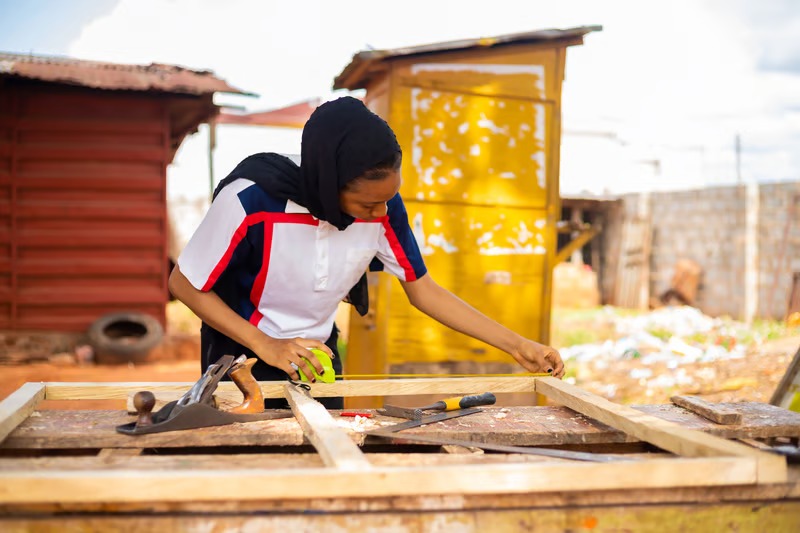
Youth community projects serve as powerful catalysts for change within local communities. They not only empower young people but also foster a spirit of collaboration and growth among residents. In this blog post, we will delve into the multifaceted benefits of youth community projects, highlighting their impact on both participants and the wider community. By weaving together real-life examples, expert insights, and research-backed data, we aim to provide a comprehensive understanding of how these initiatives yield positive outcomes.
Understanding Youth Community Projects
At their core, youth community projects are initiatives designed to engage young people in activities that benefit their communities. These projects can encompass a wide range of activities, including environmental clean-ups, educational workshops, and social advocacy campaigns. By participating in these projects, youth not only gain valuable skills but also contribute to the betterment of their neighborhoods.
The Importance of Community Engagement
Community engagement is a cornerstone of effective youth community projects. When young people actively participate in their communities, they develop a sense of belonging and responsibility. According to a study conducted by the National Youth Leadership Council, youth who engage in community service demonstrate higher levels of civic responsibility and social awareness. This engagement helps cultivate future leaders who are invested in their communities.
Benefits of Youth Community Projects
1. Empowering Young People
One of the most significant benefits of youth community projects is the empowerment of young individuals. These initiatives provide them with opportunities to develop essential life skills such as leadership, teamwork, and problem-solving. For instance, a project in San Francisco involved local teens in creating a community garden. Not only did they learn about sustainable agriculture, but they also collaborated with city officials, enhancing their understanding of civic processes.
2. Building Community Cohesion
Youth community projects promote social cohesion by bringing together diverse groups of individuals. When young people from various backgrounds collaborate, they foster understanding and respect for one another. A notable example is the “Youth for Unity” initiative in Chicago, where teens from different neighborhoods worked together on art installations to address social issues. This project not only beautified the area but also broke down barriers between communities.
3. Enhancing Local Infrastructure
Many youth community projects focus on improving local infrastructure, which directly benefits residents. For example, a group of high school students in Detroit organized a series of neighborhood clean-up days. Their efforts resulted in cleaner parks and public spaces, positively impacting the quality of life for all residents. By investing their time and energy into these projects, youth create lasting changes that enhance community pride.
4. Encouraging Civic Participation
Youth community projects serve as a gateway to increased civic participation. When young people engage in community service, they often become more interested in local governance and advocacy. The “Youth in Government” program in New York is a prime example of this phenomenon. Participants learn about the legislative process and engage with local leaders, ultimately inspiring them to become active citizens who advocate for their communities.
5. Fostering Innovation and Creativity
Youth are often seen as a source of fresh ideas and innovative solutions. Community projects that harness this creativity can lead to groundbreaking initiatives. For instance, a youth-led tech project in Seattle focused on developing apps to improve public transportation. By involving young tech enthusiasts, the project not only addressed a local concern but also empowered participants to think critically and creatively.
The Role of Mentorship in Youth Community Projects
Mentorship plays a crucial role in the success of youth community projects. Experienced mentors can guide young participants, helping them navigate challenges and develop their skills. A study by the Mentoring Partnership of New York found that mentored youth are more likely to pursue higher education and secure employment. By connecting youth with mentors, communities can amplify the impact of their projects.
Real-Life Mentorship Success Stories
In Los Angeles, the “Big Brothers Big Sisters” program collaborates with youth community projects to provide mentorship opportunities. One young participant, Maria, was paired with a mentor who encouraged her to lead a community health initiative. With her mentor’s support, Maria successfully organized health fairs, ultimately improving awareness about nutrition and wellness in her neighborhood.
Challenges Faced by Youth Community Projects
While youth community projects offer numerous benefits, they also face challenges that can hinder their effectiveness. Limited funding, lack of adult support, and insufficient resources can create obstacles for young leaders. Addressing these challenges requires collaboration between community organizations, schools, and local governments.
Overcoming Barriers to Success
Many communities have found innovative ways to overcome these barriers. For instance, in Atlanta, the “Youth Empowerment Program” partners with local businesses to secure funding for community projects. By leveraging community resources, they enable youth to pursue their initiatives effectively, ensuring sustainability and success.
Measuring the Impact of Youth Community Projects
To fully appreciate the benefits of youth community projects, it is essential to measure their impact. Various metrics can be used, including participant satisfaction, community engagement levels, and improvements in local conditions. For example, a recent survey conducted by the National Conference on Citizenship found that communities with active youth projects reported higher levels of civic engagement and collective efficacy.
Success Stories and Data
In Portland, a youth-led environmental project focused on urban greening resulted in a 30% increase in community involvement in sustainability initiatives over two years. This data highlights the tangible impact of youth community projects on both individual participants and the broader community.
Conclusion
Youth community projects are invaluable for fostering personal growth among young individuals while simultaneously benefiting local communities. By empowering youth to take action, these initiatives create a ripple effect that enhances social cohesion, improves infrastructure, and encourages civic participation. As we continue to support and invest in youth-led initiatives, we pave the way for a brighter future for both young people and their communities.