
Why Intergenerational Dialogues on Women’s Rights Empower 3 Generations?
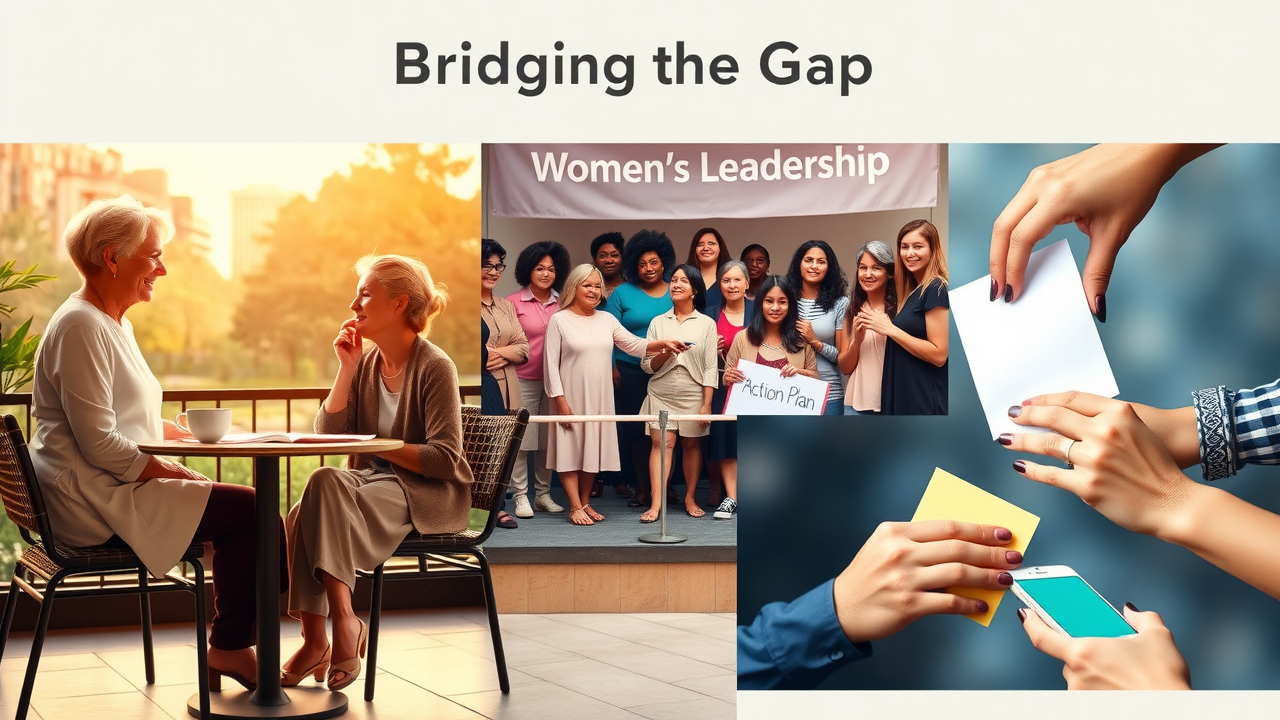
Explore intergenerational dialogues on women’s rights to bridge gaps and empower leaders. Uncover 5 themes—from evolving rights to tech activism—for unity against inequalities. The blog presents the issue of the necessity of dialogs between generations about the rights of women and their positions as leaders and the main themes, issues, and possibilities that such discussions bring.
Intergenerational Conversations and their Importance
1. Communicating Knowledge and Experiences
Women in every generation encounter distinct challenges and opportunities as far as rights and leadership are concerned. The generations who struggled to establish some of the fundamental rights including the right to vote and equality at the workplace have invaluable insights and experiences. Meanwhile, the new generations find their way through a new terrain, like global interconnectedness and digital activism. Through these discussions, these generations are able to exchange lessons learnt, advocacy strategies and information on the changing face of women rights.
2. Conceptualizing historical context
To celebrate the gains that have been achieved in the field of women rights and women leadership, one must know history. Intergenerational dialogue enables the younger women to be educated on the plight of their fore-bears such as the movement of suffrage, the equal pay campaign, and the end of gender-based violence. History can be used to motivate and encourage the younger generation to carry on with the fight against inequality and leadership.
3. Disagreement with Stereotypes and Misconceptions
The intergenerational conversations can be useful in contesting the stereotypes and misconceptions that there might be between various age groups. As an example, older generations may consider young women as too dependent on technologies whereas young women may think that older generations are not connected with modern problems. These myths can be cleared through honest conversations, and it leads to mutual respect and understanding.
Basic Women Themes in Leadership and Rights
1. Women and their Rights: Evolution
The rights of women have developed greatly throughout the last century. Women in most regions of the world have gotten the right to vote, education, and the prospect of professional growth. Nevertheless, it is not all rosy as it faces an issue of gender-based violence, inequalities in remuneration and underrepresentation in leadership positions. The discussion of these changing rights serves to shed light on all the struggles that women are currently going through and the effort that they still have to put in order to truly become equal.
2. Styles and Representation of Leadership
There has also been a change in leadership styles across generations. Conventional leadership has been focused on authority and decisiveness whereas nowadays leadership is becoming more collaborative, emphatic, and inclusive. When women learn about various leadership styles, they can learn from each other to encourage and empower each other in their leadership positions irrespective of their age.
3. The Role of Technology
Technology is a key player in the current state of women rights and leadership. Social media has emerged as an influential activist tool enabling women to gather support and create awareness over matters about them. Young people tend to be more skilled in using the platforms and imparting this knowledge has the potential to empower older generations to participate in digital advocacy.
Fostering Intergenerational Conversations Strategies
1. Creating Safe Spaces
In order to promote open and honest communication, they are required to establish safe environments within which women of all ages can freely express their views and experiences. This may be done in the form of community workshops, mentorship programs or even informal meetings, which facilitate inclusivity and respect.
2. Leveraging Technology
The use of technology may also help conduct intergenerational discussions, particularly in situations where it is not convenient to meet in person. Women can be united in a distance through virtual platforms, which means that the participation is extended and different opinions are shared. These discussions can be held in online forums, webinars and social groups via social media.
3. Encouraging Mentorship
Women of different generations can be placed in mentorship programs that enable employees to develop relevant relationships and share knowledge. By mentoring, older women will be able to provide advice and exchange experiences, and younger women will be able to give new insights and novel ideas. This reciprocity makes the mentor and mentees enriched.
4. Highlighting Shared Goals
The emphasis on mutual interests will assist in bringing women of different generations together. Be it equal pay, reproductive rights or representation in the top roles, by identifying shared goals, it is possible to develop cooperation and unity. Through such collaborations, women will be able to become more vocal and change will be influenced more than ever before.
Difficulties in Intergenerational Conversations
1. Communication Barriers
The communication style and language may pose a barrier among generations. Younger women might want to use informal language and online communication, whereas older women might want to use conventional ways. One has to know these differences and do his best to be clear and understanding during the discussion.
2. Resistance to Change
Not everyone will accept the new ideas or styles that were developed by younger generations. On the contrary, elderly women can experience that their experience and knowledge are not valued. This resistance is an important issue that should be identified and discussed to enable healthy discussions.
3. Time Constraints
Time constraints may be a hindrance to intergenerational conversations. The accommodations can be made on various lifestyles and commitments to encourage engagement; this can be achieved through provision of flexibility in meeting or online conferences.
Conclusion
The communication between the two generations on the topic of women rights and leadership is the key to understanding, cooperation, and empowerment. Through sharing of knowledge, experiences and insights, women will be able to learn how to support each other and strive through the hurdles that are still there in the struggle to achieve equality. By stressing the significance of such intergenerational discussions, one can create a more unified and impactful movement of women rights and leadership and make sure that the voice of women can be heard even by other generations.
By working together, we are able to celebrate the past, create in the present, and build a future where every woman will be able to succeed in her rights and roles as a leader.